Constant Temperature And Humidity Incubators: Principles, Functions, And Applications
I. What is a Constant Temperature and Humidity Incubator?
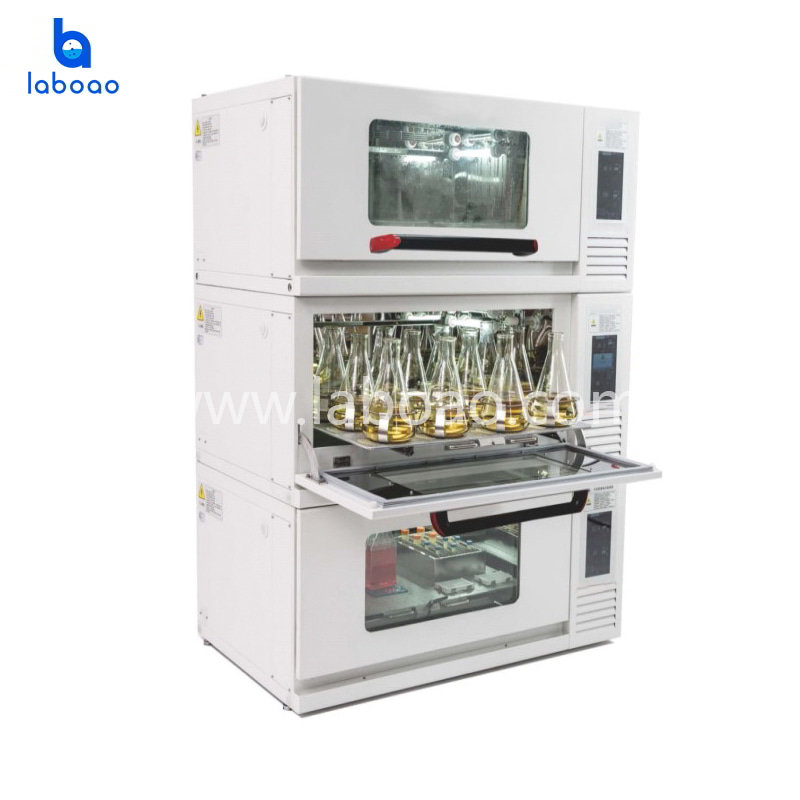
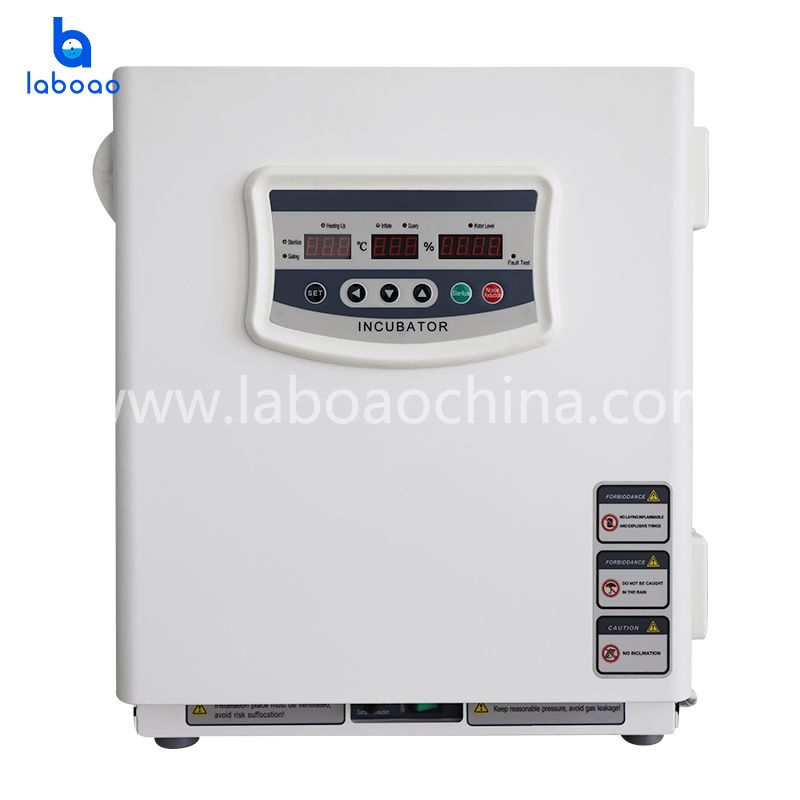
A constant temperature and humidity incubator is a piece of laboratory or industrial equipment designed to simulate specific temperature and humidity environments. Its primary objective is to utilize intelligent regulation to stabilize internal environmental parameters within a designated range, thereby providing repeatable and highly reliable environmental conditions for biological sample cultivation and product performance testing.
Whether simulating the high heat and humidity of tropical regions, the mild conditions of temperate zones, or even dry, low-humidity scenarios, these incubators can precisely replicate the environment, ensuring that experimental and production processes remain unaffected by external environmental fluctuations.
II. Product Functions
The precision of a constant temperature and humidity incubator relies entirely on the dynamic equilibrium maintained by four core systems: cooling, heating, humidification, and dehumidification.
1. Temperature Control
Heating System: Generates heat via stainless steel heating tubes or PTC heaters.
Cooling System: Employs a vapor-compression cycle, relying on the coordinated operation of components such as compressors and condensers.
2. Humidity Control
Humidification Methods: The prevailing methods are ultrasonic humidification and electrode-type humidification.
Dehumidification Methods: Cooling-based dehumidification is used for medium-to-high humidity levels, while rotary dehumidification is employed for low-humidity levels.
Beyond basic temperature and humidity regulation, modern constant temperature and humidity incubators are equipped with numerous intelligent features that enhance operational convenience and experimental safety. These features include intelligent programmable controls, safety protection mechanisms, user-friendly operational designs, and energy-saving, eco-friendly technologies.
III. Application Scenarios
From scientific research to industrial production, constant temperature and humidity incubators are ubiquitous, making significant contributions across a range of key sectors:
1. Life Sciences Research
They provide a stable environment for cell culture, microbial proliferation, plant seed germination, and insect rearing, serving as "standard-issue equipment" for biological experiments.
2. Pharmaceutical and Food Industries
Used for drug stability testing, vaccine storage, and food shelf-life validation, they ensure the quality and safety of products under various environmental conditions.
3. Electronics and Automotive Sectors
They test the performance stability of electronic components and automotive parts under conditions of high temperature and humidity, or low temperature and dryness, thereby guaranteeing product durability.
4. Materials Science and Agriculture
They facilitate environmental adaptability testing for wood and construction materials, as well as research into crop breeding and seed germination rates, thereby supporting the R&D of new materials and boosting agricultural yields.