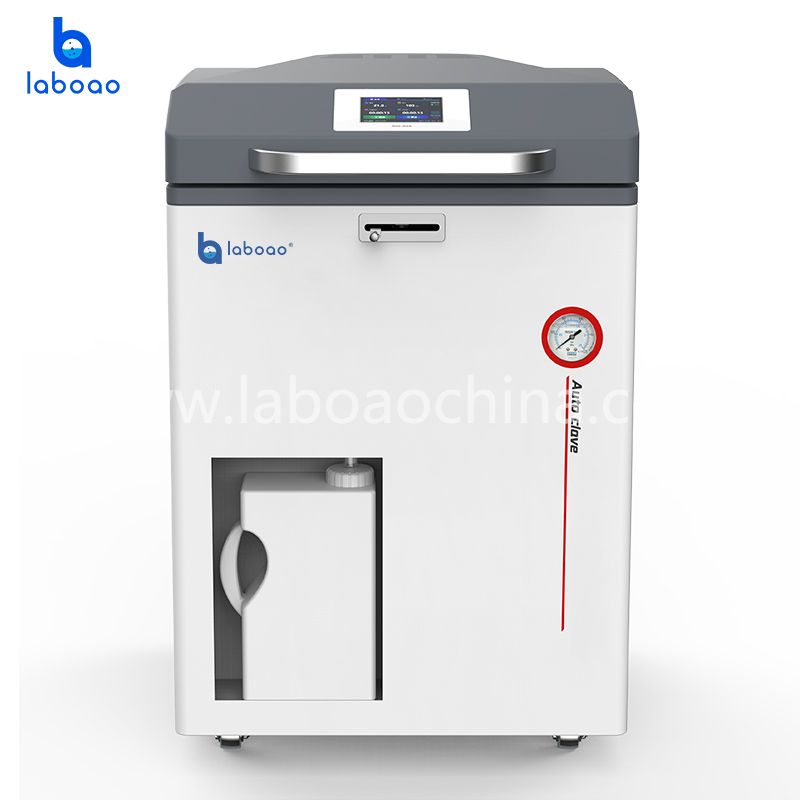
Operational Guidelines And Precautions For Fully Automatic Autoclaves
Fully automatic autoclaves are essential sterilization devices in laboratories, hospitals, and industrial sectors, relying on high-temperature, high-pressure steam to eliminate microorganisms. However, due to their operating conditions—high pressure (up to 2.5 MPa) and high temperature (exceeding 100°C)—operators must strictly adhere to safety protocols; even minor negligence can lead to accidents such as explosions or burns. Mastering operational procedures and safety essentials is fundamental to ensuring the safety of personnel and equipment.
I. Pre-operation:
Before use, ensure the autoclave is placed on a level, well-ventilated, and solid floor (tilt angle <2°) and kept away from flammable materials (e.g., alcohol, paper) and corrosive gases (e.g., chlorine). Check that the safety valve (pressure relief device) is functioning correctly (seal intact, no rust or jamming) and that the pressure gauge needle returns to zero (calibration is required if the deviation exceeds 0.1 MPa). The sterilization chamber must be clean and free of debris (residual chemical reagents or plastic fragments may decompose at high temperatures, releasing toxic gases), and the water level must meet requirements (typically 1/3 to 1/2 of the chamber height; low water levels cause dry heating, while excessive levels may lead to splashing). Additionally, verify the power supply voltage (220V ±10%) and ensure reliable grounding (grounding resistance <4Ω) to prevent electrical leakage risks.
II. During operation:
Select the appropriate program based on the items to be sterilized: use 121°C for 20 minutes (103 kPa) for standard instruments (e.g., scalpels, glassware); 121°C for 30 minutes for dressings or liquids; and 134°C for 10 minutes (205 kPa) for heat-resistant instruments (e.g., metal implants). When loading, leave sufficient clearance (maintain a gap of >2cm between items to ensure unobstructed steam circulation); liquid containers must be left open (to prevent bursting), and textile items should be placed loosely. Once started, strictly avoid opening the sterilizer door without authorization (forcing the door open when internal pressure exceeds 0.1 MPa can cause high-temperature steam to spray out, resulting in severe burns). Monitor pressure and temperature via the viewing window (or pressure gauge) during operation (at the standard 121°C, pressure should be 103 kPa; shut down for inspection if the deviation exceeds ±5 kPa). If the safety valve activates suddenly (indicated by a hissing sound), immediately cut off the power and investigate the cause of overpressure (e.g., temperature sensor malfunction).
III. Post-operation:
After sterilization, allow the unit to cool naturally until the pressure returns to zero (approximately 30–60 minutes; forced cooling may cause an explosion). If items must be retrieved urgently, use the slow exhaust mode (gradually release steam via the pressure relief valve at a rate of <0.05 MPa/minute), but wear heat-resistant gloves (steam temperature exceeds 100°C). When removing items, check packaging integrity (e.g., verify that sterilization indicator tape has changed color; re-sterilize if standards are not met) to prevent re-contamination. Finally, clean any residue from the inner chamber (wipe with a soft cloth; do not use steel wool) and periodically drain condensate from the steam trap (to prevent water accumulation and pipe corrosion).
IV. Safety Prohibitions:
Do not seal sterilization containers with ordinary rubber stoppers (rubber melts and deforms at high temperatures, causing abnormal pressure); do not overload the unit (loading beyond 80% of the chamber volume hinders steam circulation); do not add items during the sterilization process (this may disrupt pressure balance). Periodically inspect the safety valve (at least once a year; test its responsiveness by manually lifting it) and record sterilization parameters (temperature, pressure, and time) to ensure traceability.
By adhering to these guidelines, the fully automatic autoclave will serve as a reliable "sterilization guardian" rather than a safety hazard. No safety detail is too small; every standardized operation demonstrates responsibility for both lives and equipment